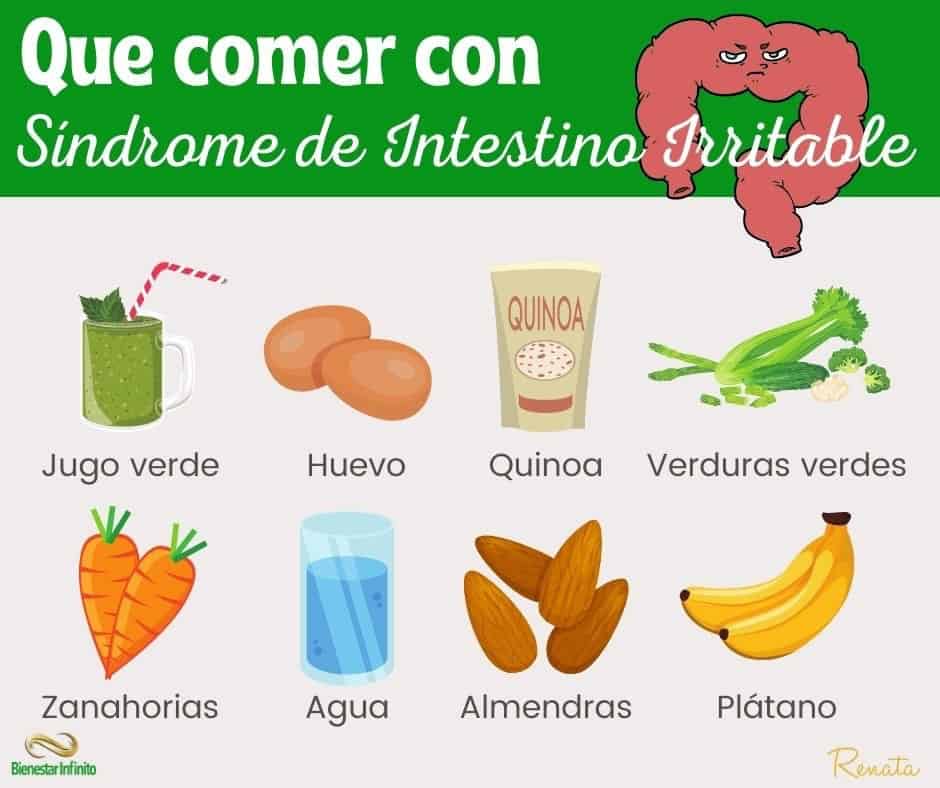
que no comer con intestino irritable Qué comer con síndrome de intestino irritable
The Syndrome of Irritable Bowel, also known as Irritable Bowel Syndrome (IBS), is a common gastrointestinal disorder that affects a significant number of people. It is characterized by chronic abdominal pain, bloating, and changes in bowel movements, such as constipation or diarrhea. Living with IBS can be challenging, but incorporating specific dietary modifications and supplements into your routine can help manage the symptoms and improve your quality of life.
Supplementation for Irritable Bowel Syndrome
When it comes to managing IBS, the right supplementation can play a crucial role in soothing the symptoms and promoting digestive health. Here are some supplements that have shown promising results:
 Probiotics: Probiotics are beneficial bacteria that support a healthy gut. They can help balance the gut microbiota, reducing inflammation and promoting better digestion. Studies have shown that certain strains of probiotics, such as Bifidobacterium infantis and Saccharomyces boulardii, can improve IBS symptoms like bloating and abdominal pain. Including probiotic-rich foods like yogurt, kimchi, and sauerkraut in your diet or taking a high-quality probiotic supplement can be beneficial.
Peppermint oil: Peppermint oil has long been used as a natural remedy for various digestive issues, including IBS. It helps relax the muscles of the gastrointestinal tract, reducing spasms and alleviating abdominal pain. Some studies have shown that enteric-coated peppermint oil capsules can significantly reduce IBS symptoms, making it an effective supplementation option.
 Dietary Modifications for Irritable Bowel Syndrome
In addition to supplementation, making specific dietary modifications can make a significant difference in managing IBS symptoms. Here are some dietary guidelines to consider:
Low-FODMAP diet: FODMAPs (fermentable oligosaccharides, disaccharides, monosaccharides, and polyols) are a group of carbohydrates that can trigger digestive symptoms in sensitive individuals. Following a low-FODMAP diet involves avoiding high-FODMAP foods like certain fruits, vegetables, dairy products, and grains. This approach has shown positive outcomes in reducing IBS symptoms, such as bloating and diarrhea.
Increasing fiber intake: Fiber plays a crucial role in maintaining overall digestive health. However, increasing fiber intake should be done gradually to prevent exacerbating symptoms. Soluble fiber, found in foods like oats, fruits, and legumes, can help regulate bowel movements and relieve constipation, while insoluble fiber, found in whole grains and vegetables, adds bulk to stools, aiding in regular bowel movements.
Limiting trigger foods: Certain foods and beverages can trigger IBS symptoms in susceptible individuals. Common trigger foods include spicy foods, caffeine, alcohol, fatty foods, and carbonated drinks. Keeping a food diary can help identify specific trigger foods and assist in creating a personalized diet plan.
Managing IBS requires a multifaceted approach, including the right supplementation and dietary modifications. It’s essential to work with a healthcare professional or registered dietitian who specializes in gastrointestinal health to develop an individualized plan tailored to your specific needs and preferences. With the right strategy in place, it is possible to alleviate IBS symptoms and improve your overall well-being.
If you are looking for Lo que debes y NO debes comer si padeces síndrome de intestino you’ve came to the right page. We have 5 Images about Lo que debes y NO debes comer si padeces síndrome de intestino like MÁS SUPLEMENTACIÓN PARA EL SÍNDROME DEL INTESTINO IRRITABLE! Si te, Alimentos para el Colon Irritable | Detox, Detox drinks smoothies and also MÁS SUPLEMENTACIÓN PARA EL SÍNDROME DEL INTESTINO IRRITABLE! Si te. Here it is:
Lo Que Debes Y NO Debes Comer Si Padeces Síndrome De Intestino
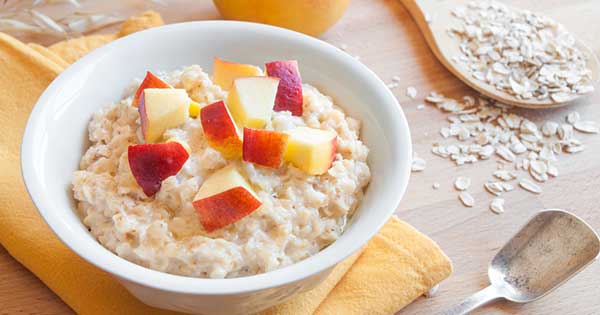 www.clikisalud.netAlimentos Para El Colon Irritable | Detox, Detox Drinks Smoothies
 www.pinterest.comirritable colon colitis prohibidos inflamado nerviosa nutrición gastritis aliviar intestinos irritables limpieza colón limpiar salmón alivian platos
MÁS SUPLEMENTACIÓN PARA EL SÍNDROME DEL INTESTINO IRRITABLE! Si Te
www.pinterest.com77 Cool Alimentos Recomendados Para Colitis Nerviosa - Insectpedia

Qué Comer Con Síndrome De Intestino Irritable - Bienestar Infinito
bienestarinfinito.comQué comer con síndrome de intestino irritable. Alimentos para el colon irritable. Más suplementación para el síndrome del intestino irritable! si te